Did you know that you eat soya every day?
Not just in tofu, soya drinks, or plant-based dips and spreads. Often without even realising it – through eggs, meat, and dairy products. Soya is a key ingredient in animal feed, so it is part of many foods that end up on our plates every day.
That’s why it matters where soya comes from and how it is grown. A large share of the soya used in Europe is still imported from overseas, including from the USA, Argentina and Brazil. More soya from Europe can lead to shorter transport routes and stronger regional supply chains. Depending on how it is grown, European soya can also contribute to protecting soils, water and biodiversity.
Not all soya is the same
Not all soya is grown under the same conditions. Origin, farming practices, and controls make a big difference.
Clear Origin
Soya from Europe is traceable. You know where it comes from.
Non-GM
European soya is grown under clear standards – free from genetic modification.
Controlled
Solid standards and independent controls give you orientation – and mean you can trust what’s on your plate.
Clear Origin
Soya from Europe is traceable. You know where it comes from.
Non-GM
European soya is grown under clear standards – free from genetic modification.
Controlled
Solid standards and independent controls give you orientation – and mean you can trust what’s on your plate.
Time to ask: where does your soya come from?
Why European soya makes a difference
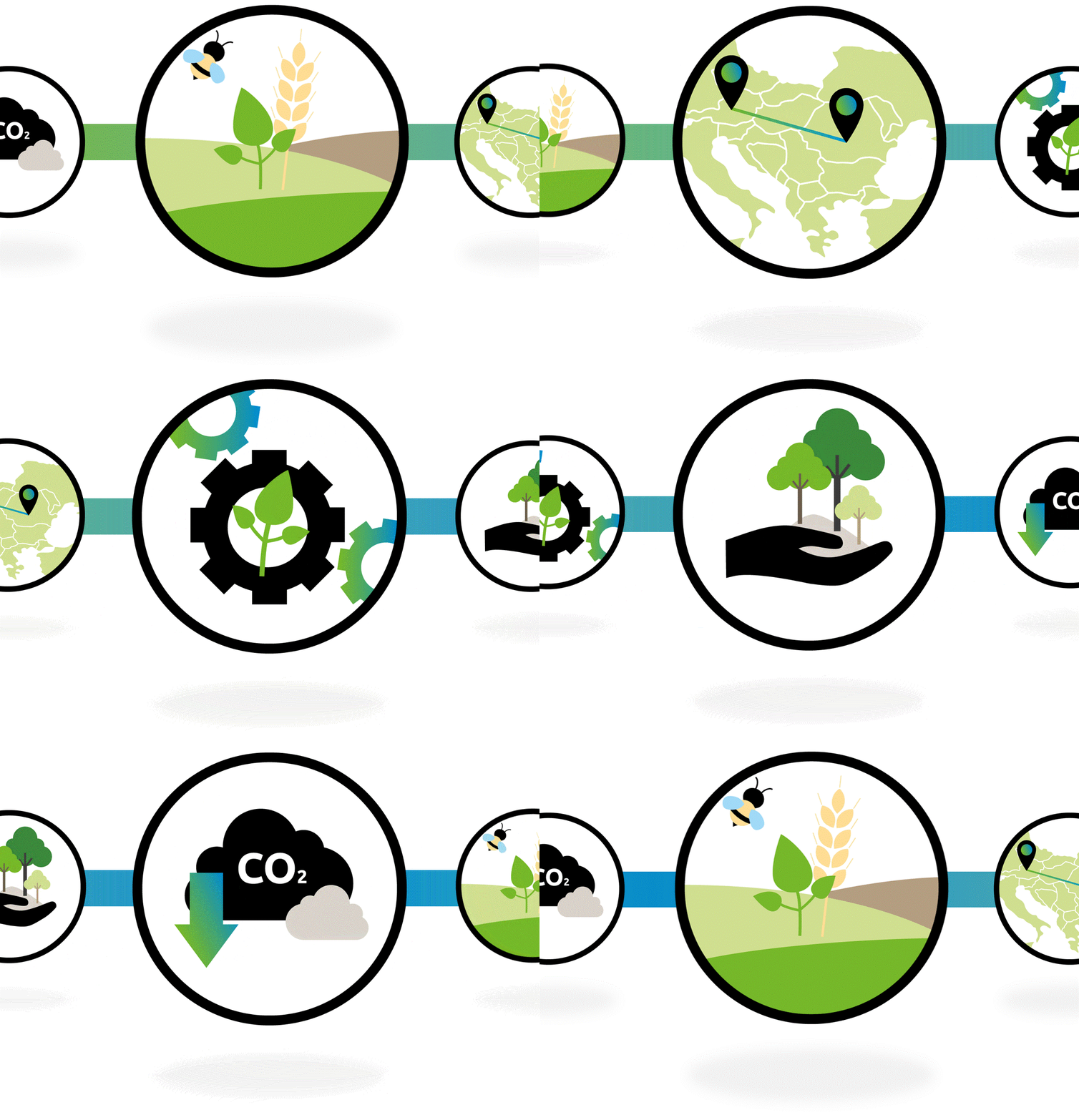
More European soya can support regional supply chains – for farmers, feed producers and the food on our plates.
- Shorter routes: European soya doesn’t cross oceans to reach us – less travel, less impact
- Lower CO₂ emissions: Local sourcing and regional processing can reduce the CO₂ footprint of selected animal products when the animals are fed Europe Soya-certified soya, according to studies by BOKU Vienna and FiBL Austria
- Forests stay forests: More European soya helps reduce deforestation and other valuable natural habitats
- Stronger local farming: Growing and processing soya in Europe keeps expertise and value in the region
- Better soils, more variety: Soya and other legumes can be great for crop rotations and for the soil beneath our feet
Who we are
Donau Soja stands for clear goals and a standard you can trust. Find out more about our organisation and what drives our work.
Our organisation
We work to grow more soya in Europe for Europe. Together with partners across the supply chain, we support responsible sourcing – for a protein supply that’s resilient and European.
Our standard
Our Europe Soya Standard sets clear requirements, from origin and farming to controls and verification. It shows what European soya really stands for and gives consumers something they can count on.
Our team
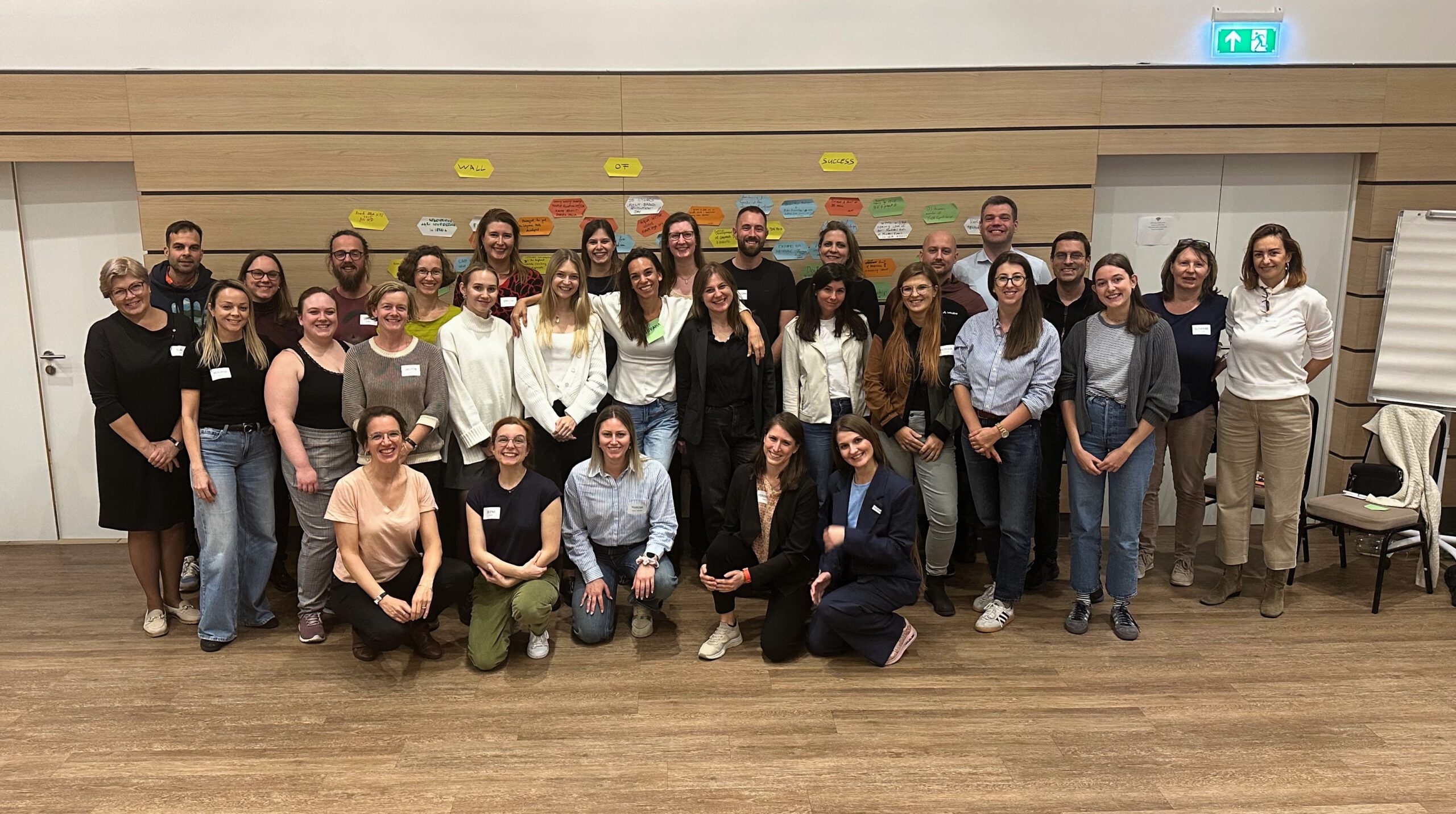
We are working towards a sustainable, safe and European protein supply. Our international teams call Vienna, Novi Sad, Kyiv, and Chișinău home. Come meet us.
What does “clear origin” mean?
You know where your food comes from. Soya grown in Europe under the Europe Soya Standard has a clear origin – in countries across the Danube Region like Austria, Hungary, or Serbia. That can lead to shorter transport routes, less impact on the environment, and more transparency for you as a consumer.
What does “non-GM” mean?
Non-GM soya under the Europe Soya Standard is grown without genetic modification – from the seed to the field. The plant grows exactly as nature intended. Regular testing makes sure of that, so you always know what’s ending up on your plate.
What does “controlled” mean?
Controlled means that independent auditors regularly check on site whether all criteria of the Europe Soya Standard are being met – from the field to processing. Only those who pass these checks are allowed to carry the certificate. So you can trust what it says on the pack.
Discover more about soya
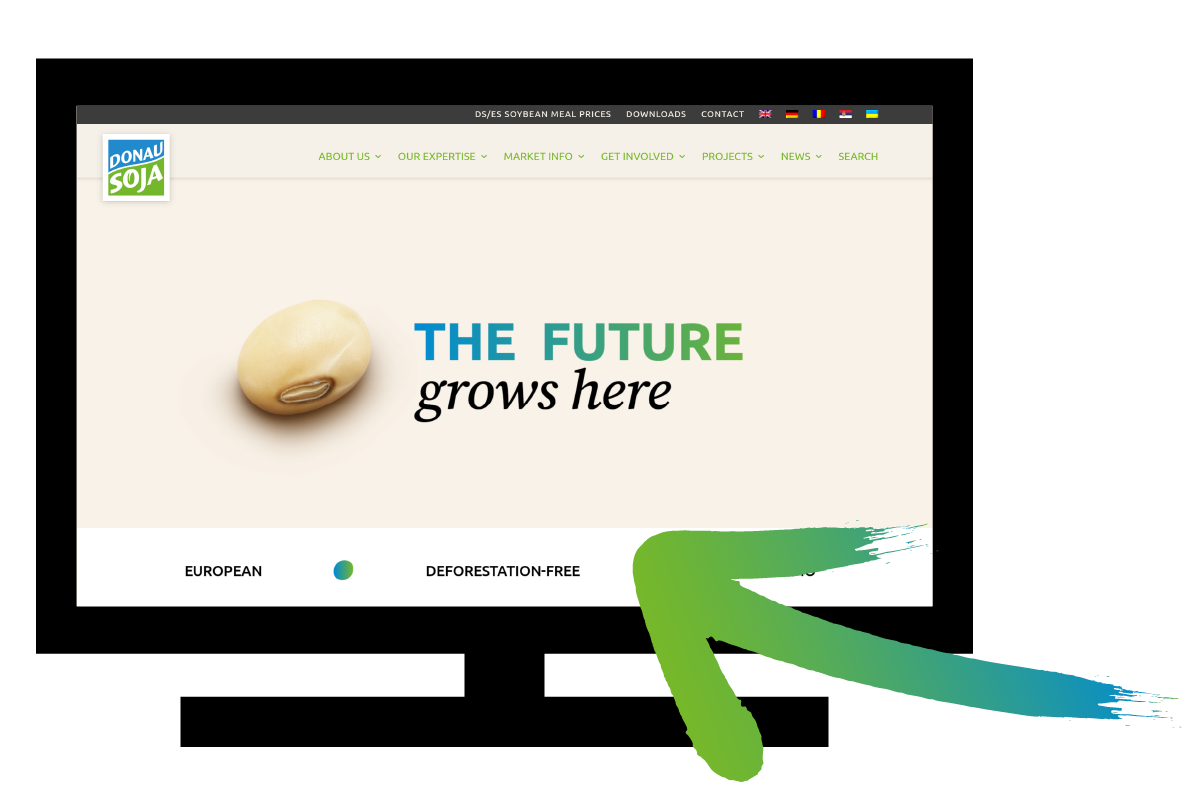
Europe Soya
Our certification for sustainable soya from Europe – non-GM, deforestation-free, and strictly controlled. Curious what’s behind it?
Soya Superbean
One bean, many strengths: soya shows up in our everyday lives more than most people think. Discover it as a true all-rounder – from animal feed and plant-based food to regional farming and climate action.
Available products
The future is already on the shelf. See which products with our label you can find in stores right now.
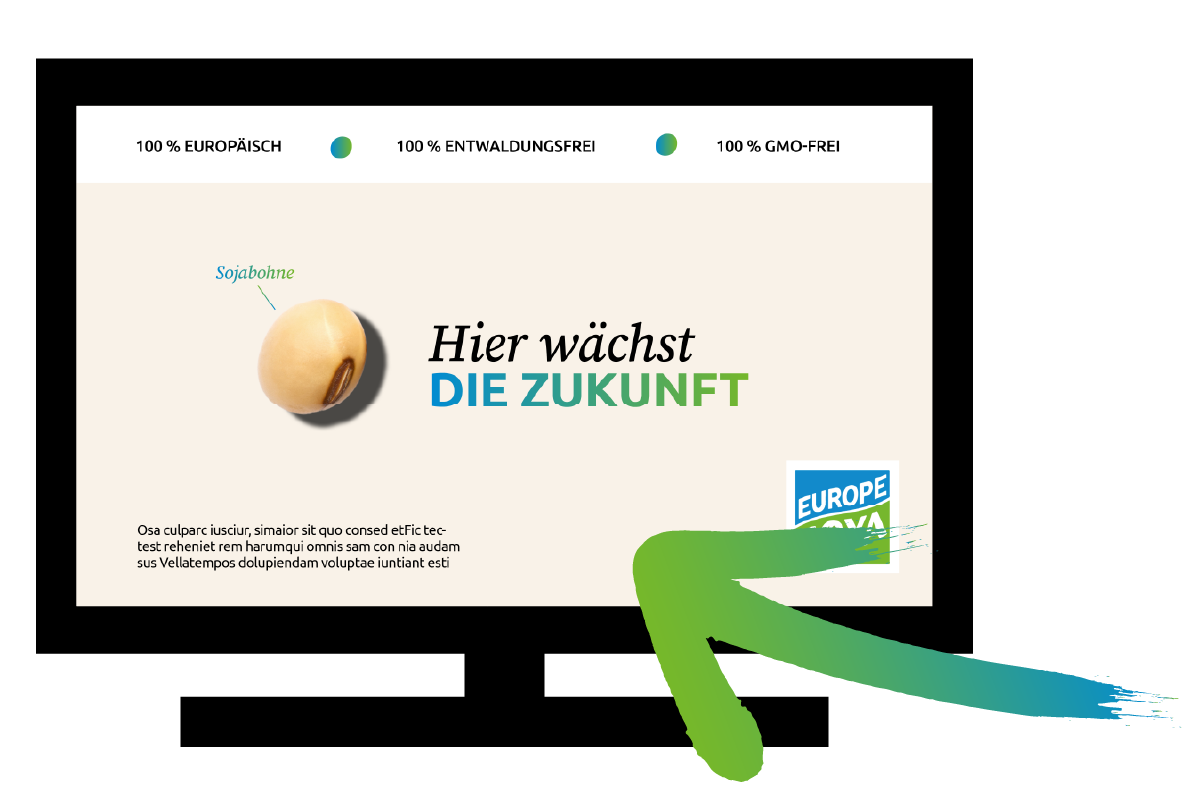
Europe Soya
Our quality standard for European, deforestation-free und non-GM soya from Europe. Curious what’s behind it? Learn more
Soya Superbean
One bean, many uses: soya is part of everyday life in more ways than many people realise. It is versatile – from animal feed and plant-based foods to supporting more resilient farming systems. Find out more
Available products
Europe Soya-certified? You may already find a product on the shelf next door. Discover which products carry our label. Check it out